Smart metering platforms for utilities and distributors
Four hardware families covering electricity, water and gas. Each ships as a validated reference design you can rebrand, respec and certify for your market — with our engineers handling the local approvals.
Utility tenders across Southeast Asia rarely ask for the same meter twice. One authority wants prepayment with a local token standard, the next wants NB-IoT and a specific data model, a third wants the mechanical form factor already installed across its network. Building a new product for each tender is slow and expensive.
Our metering platforms are designed to be adapted. The measurement core, the metrology and the firmware framework stay stable — the communications module, housing, tariff logic and display change per market. That keeps your engineering risk in the parts that genuinely differ, and keeps your certification cost predictable.
Platforms
Single phase electricity meter
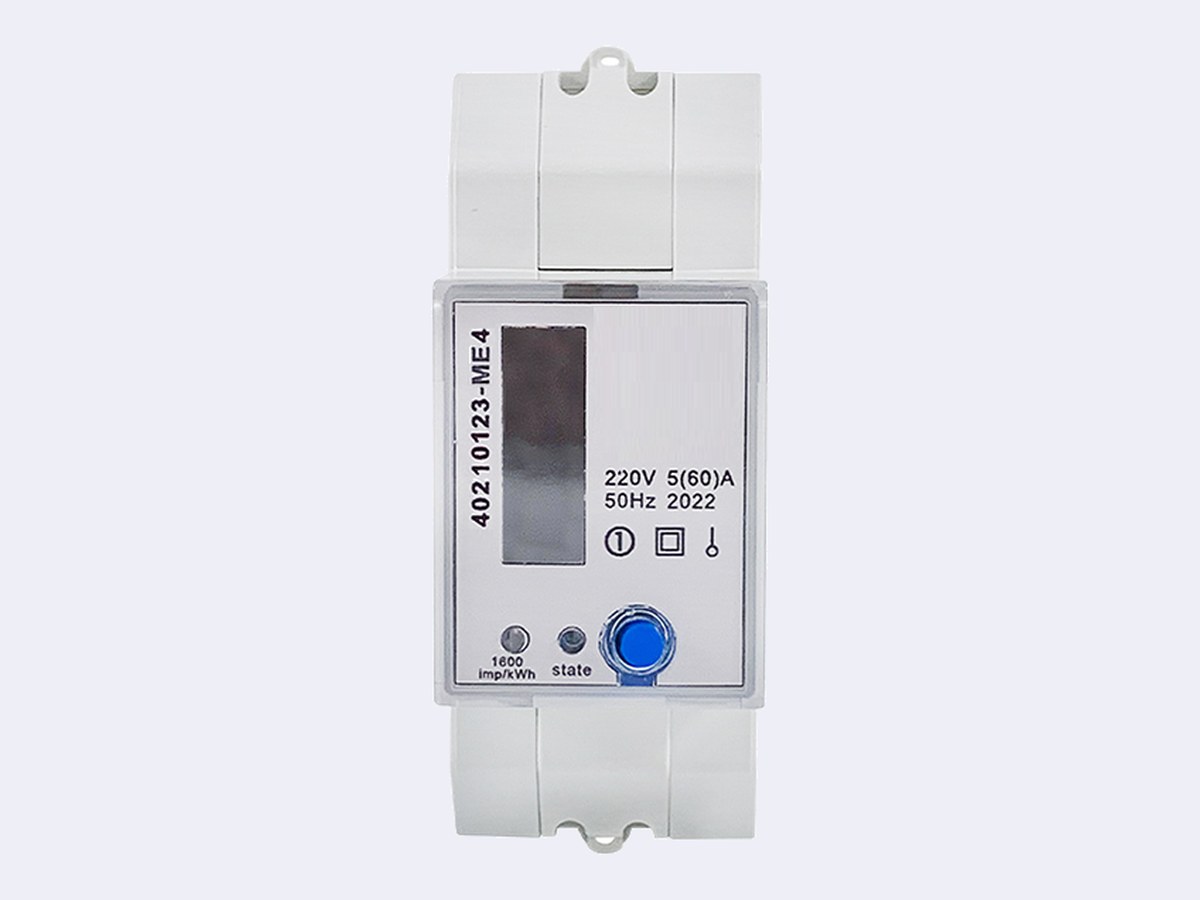
Residential energy measurement for utility rollouts and private distribution. The platform supports credit and prepayment operation, remote disconnect via internal relay, and a tamper detection set covering magnetic, cover-open and reverse-current events.
Load profile and event logs are held in non-volatile memory and survive supply loss. The communications module is a separate board, so the same meter body serves an RF mesh tender and an NB-IoT tender without re-certifying the metrology.
- Reference voltage
- 230 V AC, 50 Hz
- Current rating
- 5(60) A direct connect
- Accuracy class
- Class 1 / Class 0.5S per IEC 62053-21
- Display
- LCD with backlight, configurable scroll
- Comms
- NB-IoT, LoRaWAN, RF mesh, power line communication, RS-485
- Protocol
- DLMS/COSEM
- Tamper
- magnet, cover open, reverse current, terminal cover
- Operating temperature
- -25 °C to +70 °C
- Enclosure
- IP54, polycarbonate, sealed terminal cover
Three phase electricity meter
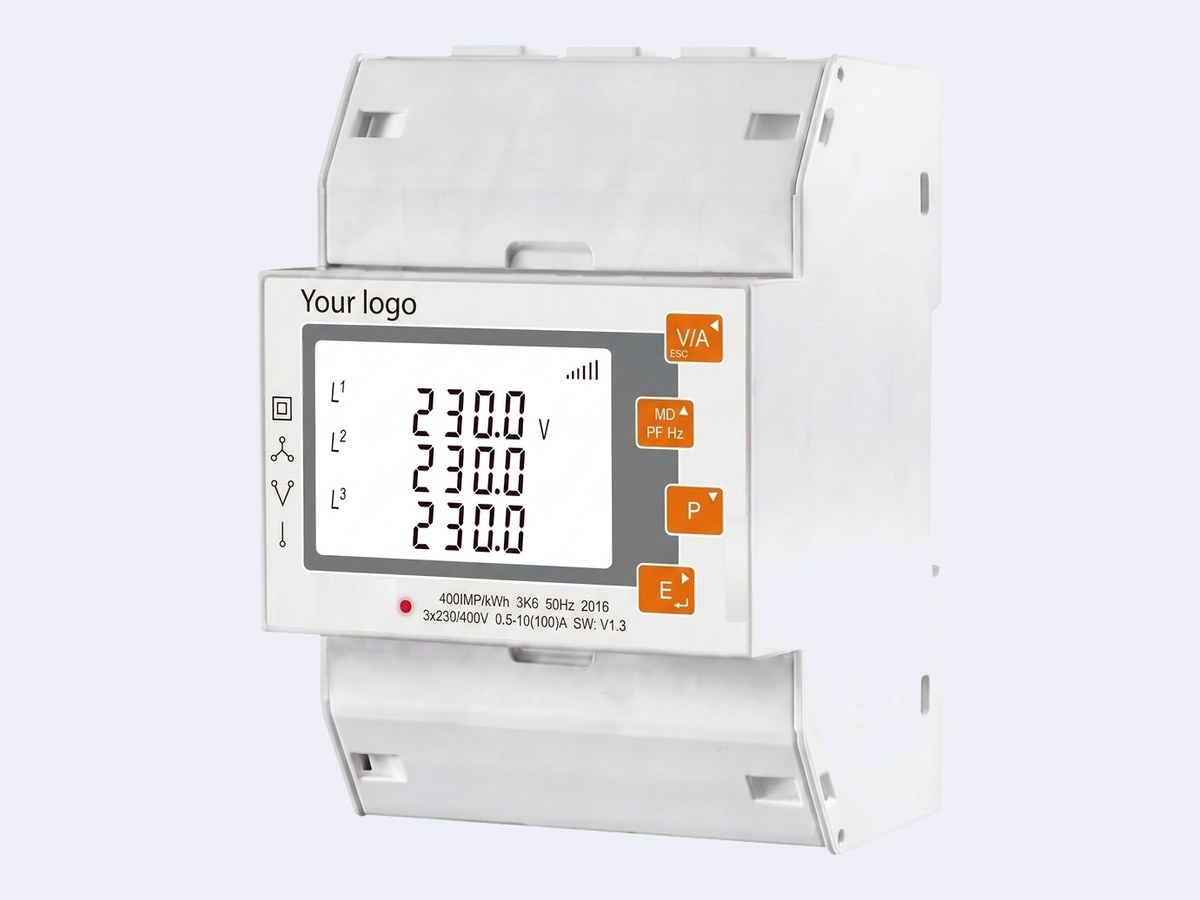
Commercial and industrial billing for higher-load connections. Measures four-quadrant active and reactive energy across three phases with neutral, records maximum demand over configurable periods, and stores interval load profiles for billing reconciliation and network analysis.
Available in direct connect and current transformer variants. Power quality logging — voltage sags, swells, outages and phase failure — supports utilities that need distribution visibility as well as revenue data.
- Reference voltage
- 3×230/400 V AC
- Current rating
- 1(6) A CT or 10(100) A direct
- Accuracy class
- Class 0.5S active, Class 2 reactive
- Measurement
- active, reactive, apparent energy, four quadrant
- Demand
- configurable 15/30 min integration, rolling
- Comms
- swappable module — see Communications below
- Mounting
- DIN rail / panel
Smart water meter
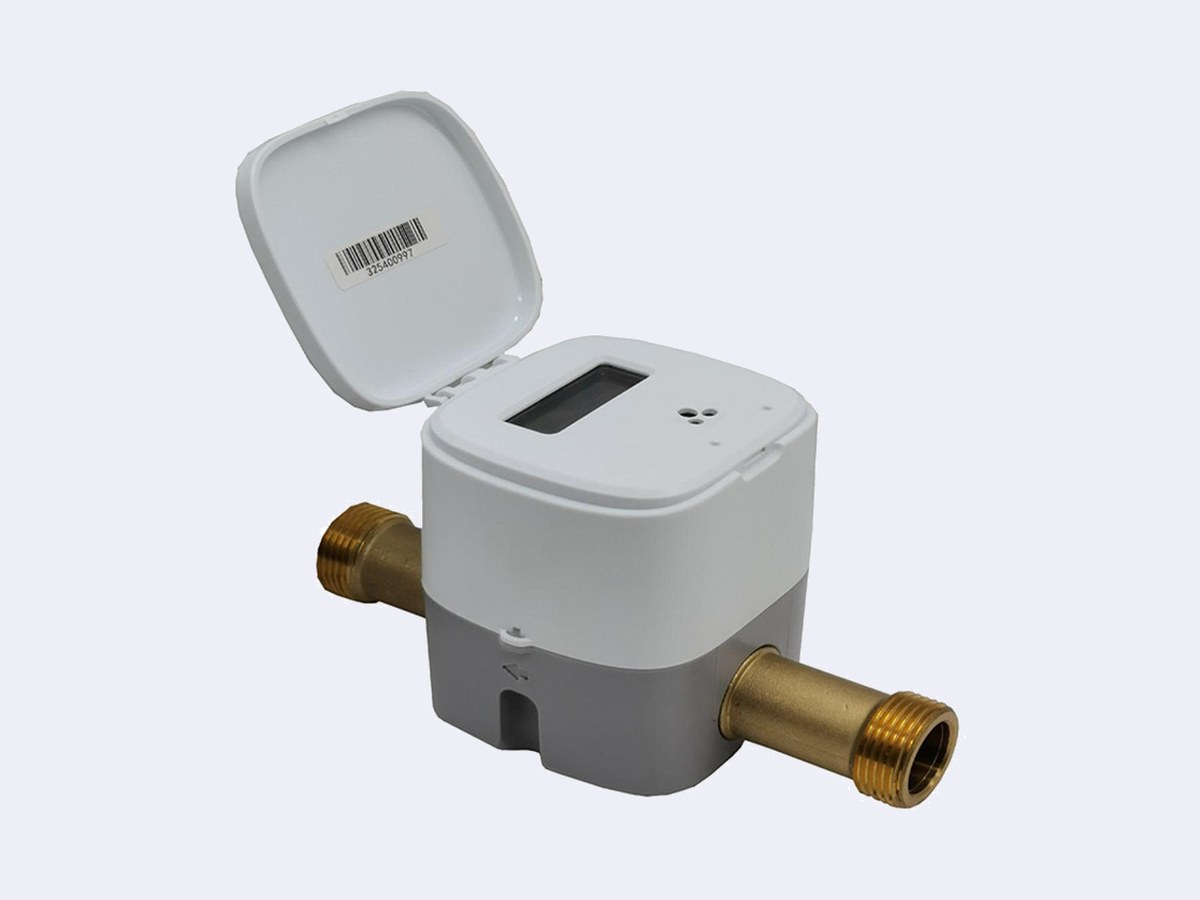
Volumetric measurement for municipal and estate water networks, in ultrasonic and mechanical variants. The ultrasonic version has no moving parts in the flow path, holding accuracy over its service life and starting to register at very low flow rates — which matters where losses and under-registration drive revenue gaps.
An optional motorised valve enables remote supply control for prepayment or non-payment disconnection. Firmware detects continuous flow, reverse flow, burst, empty pipe and tamper conditions, and reports them alongside the register reading.
- Sizes
- DN15 to DN40
- Accuracy
- Class 2 / R160 per OIML R49 / ISO 4064
- Measurement
- ultrasonic transit time or multi-jet mechanical
- Valve
- optional motorised ball valve, remote and local control
- Battery
- 6–10 years, lithium, replaceable / sealed
- Comms
- NB-IoT, LoRaWAN, pulse output
- Protection
- IP68, permanently submersible
- Operating temperature
- +0.1 °C to +50 °C water
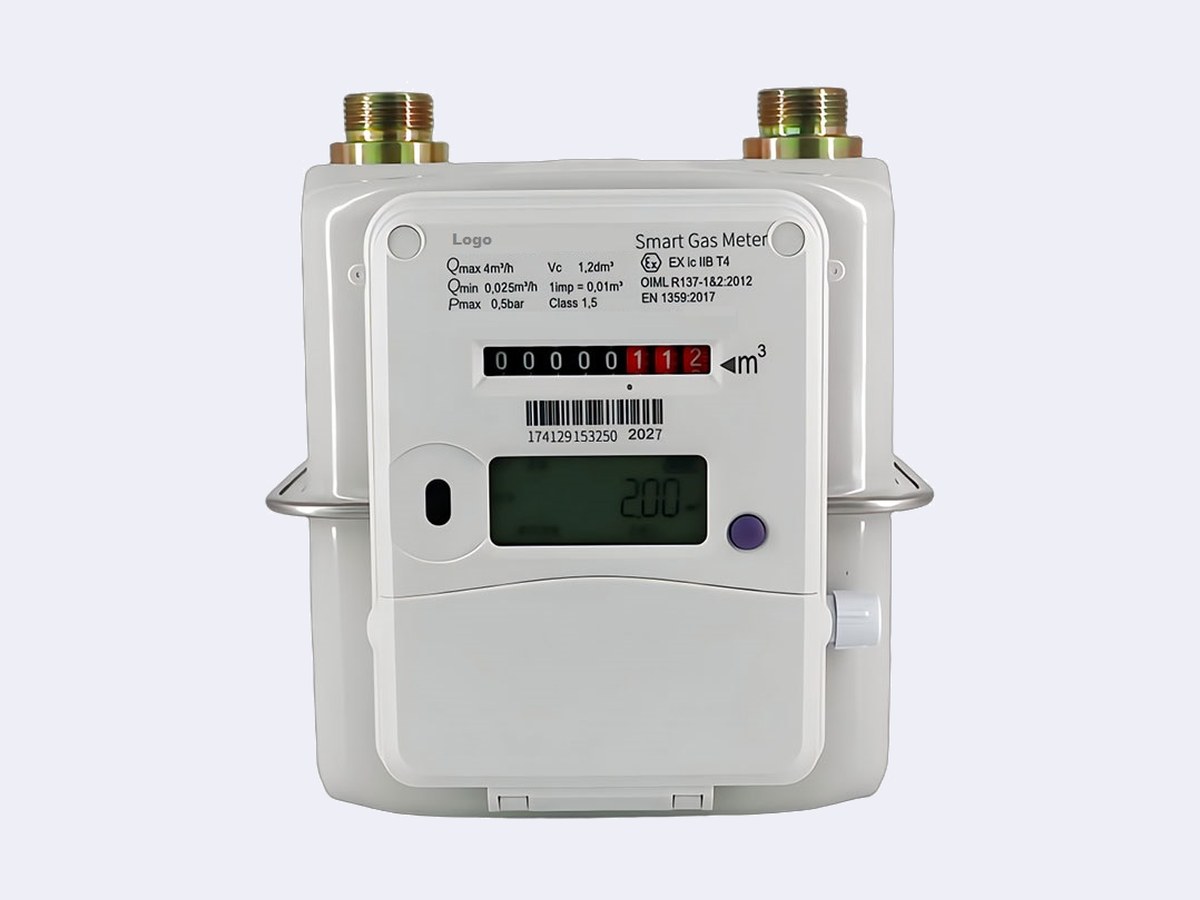
Smart gas meter
Diaphragm gas meter with an intrinsically safe electronic module for remote reading, prepayment and safety shut-off. The metering element uses proven mechanical measurement; the electronics add register reading, temperature compensation, valve control and communications.
Safety functions close the valve on detected overpressure, excess flow, earthquake (where the sensor option is fitted) or low credit, and require a deliberate local action to reopen — the valve cannot be reopened remotely without user presence at the meter.
- Sizes
- G1.6, G2.5, G4, G6
- Standard
- EN 1359:2017
- Measurement
- diaphragm, temperature compensated
- Valve
- integrated safety shut-off, motorised
- Battery
- 7 years, lithium
- Comms
- NB-IoT, LoRaWAN
- Operating temperature
- -25 °C to +55 °C
Communications
Every platform accepts a swappable communications module, so one hardware base serves several utility tenders.
If your rollout uses a head-end system we haven't integrated with before, our firmware team works from your protocol specification to match it.
Standards and approvals
We design to the standard your tender names, and manage the test lab submission.
Tell us what you need built.
Send a tender specification or a description of the rollout. Our engineering team reviews every enquiry and replies in a timely manner.